Dead Sold: A Spooky Font for Halloween and Beyond
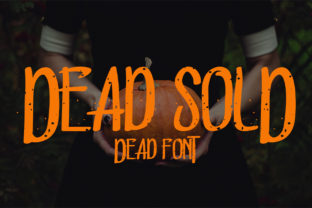
If you're looking for a font that adds a dark, eerie vibe to your designs, Dead Sold is the perfect choice. This unique typeface combines a rough, hand-drawn aesthetic with a sense of mystery, making it ideal for anything from Halloween decorations to horror-themed branding. Whether you're a designer, a small business owner, or just someone who loves a good spooky touch, Dead Sold can bring a fresh, unconventional energy to your projects.
Unlike standard fonts that feel clean and polished, Dead Sold has an organic, almost chaotic feel. Its uneven lines and irregular shapes give it a raw, handmade quality that stands out in a crowd. This makes it especially effective when used in contexts where a sense of danger, mystery, or rebellion is desired.
When and Where to Use Dead Sold
Dead Sold isn't just for Halloween. While it's a natural fit for seasonal themes, its versatility extends to many other situations. For example, it works well in horror movie posters, fantasy book covers, and even music album art. Its bold, edgy look can also be used in graffiti-style designs, punk rock merch, or any project that benefits from a rebellious or mysterious tone.
For businesses, Dead Sold can be a powerful tool for creating a strong visual identity. If you run a boutique, a bar with a gothic theme, or a creative studio that wants to stand out, this font can help you make a statement. It’s also great for social media graphics, especially if you want to catch attention with something different from the usual clean fonts.
Real-World Applications for Different Users
Let’s break down how different people might use Dead Sold in their work or personal projects:
- Graphic Designers: Dead Sold can add a unique flair to logos, banners, or illustrations. It’s especially useful for clients in the entertainment, fashion, or gaming industries who want something unconventional.
- Small Business Owners: If you own a store that sells novelty items, themed merchandise, or horror-related products, using Dead Sold on packaging or signage can help create a cohesive brand image that resonates with your target audience.
- Content Creators: Bloggers, YouTubers, and podcasters who focus on horror, true crime, or alternative culture can use Dead Sold in thumbnails, titles, or promotional materials to enhance the mood of their content.
- Teachers and Educators: In subjects like literature, art, or history, Dead Sold can be used in lesson plans, presentations, or student projects to add a dramatic or historical feel.
- Freelancers and Marketers: When designing ads or campaigns for events, products, or services with a dark or mysterious angle, Dead Sold can help convey the right tone and attract the right audience.
How Dead Sold Can Make a Difference
What sets Dead Sold apart is not just its appearance but the emotions it evokes. It can transform a simple text into something that feels more immersive and engaging. For instance, using it in a Halloween event flyer can immediately signal to readers that the event is fun, spooky, and worth attending. Similarly, in a marketing campaign for a new line of horror-themed clothing, Dead Sold can help create a stronger connection with customers who appreciate edgy, unconventional styles.
Another benefit is that it can be used in both digital and print formats. Whether you’re designing a website, a social media post, or a physical poster, Dead Sold maintains its character across different mediums. This consistency helps reinforce brand recognition and visual storytelling.
Things to Consider Before Using Dead Sold
While Dead Sold is visually striking, it’s important to think about how it will be used before incorporating it into your work. First, consider the context. Is the font appropriate for the message you want to send? For example, while it works well for horror or alternative themes, it may not be suitable for formal documents, corporate branding, or professional communications.
Also, readability is a key factor. Dead Sold is best suited for short phrases, headlines, or titles rather than long blocks of text. If you plan to use it in body copy, make sure it’s legible at the intended size and on the chosen platform.
Finally, always check licensing terms. Depending on where you download or purchase the font, there may be restrictions on commercial use, redistribution, or modification. Make sure you understand these rules before integrating it into your projects.
Dead Sold in Action: Practical Examples
Imagine you’re designing a poster for a local haunted house attraction. Using Dead Sold in the title could instantly grab attention and set the tone for the event. The font’s rough edges and uneven lines would complement the spooky atmosphere, making the design feel more authentic and immersive.
Or consider a musician launching a new album with a dark, experimental sound. Using Dead Sold on the album cover could help reflect the music’s mood and appeal to fans who appreciate bold, unconventional visuals. It could also be used in social media posts, tour flyers, or merchandise to maintain a consistent aesthetic.
Even in everyday situations, Dead Sold can add a unique touch. For example, if you’re creating a custom birthday card for a friend who loves horror movies, using this font could make the card feel more personal and memorable.
Why Dead Sold Stands Out
What makes Dead Sold truly valuable is its ability to communicate emotion through typography. Unlike many fonts that aim for clarity and uniformity, Dead Sold embraces imperfection and individuality. This makes it a great choice for anyone looking to express a specific mood, style, or message in their work.
Whether you’re a designer looking for a fresh alternative to standard fonts or a business owner trying to create a distinctive brand identity, Dead Sold offers a powerful way to stand out. Its combination of visual impact and emotional resonance makes it more than just a font—it’s a tool for storytelling and expression.